Physical Address
304 North Cardinal St.
Dorchester Center, MA 02124
Physical Address
304 North Cardinal St.
Dorchester Center, MA 02124
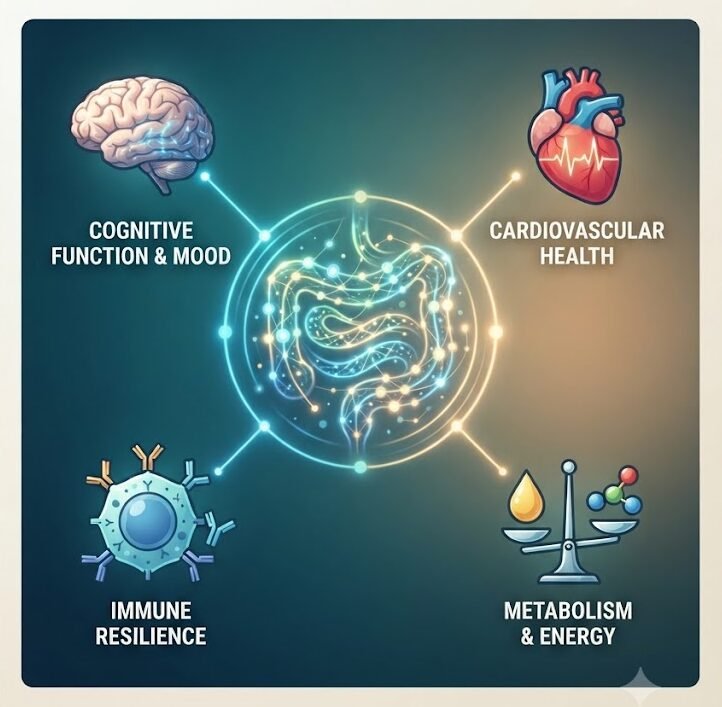
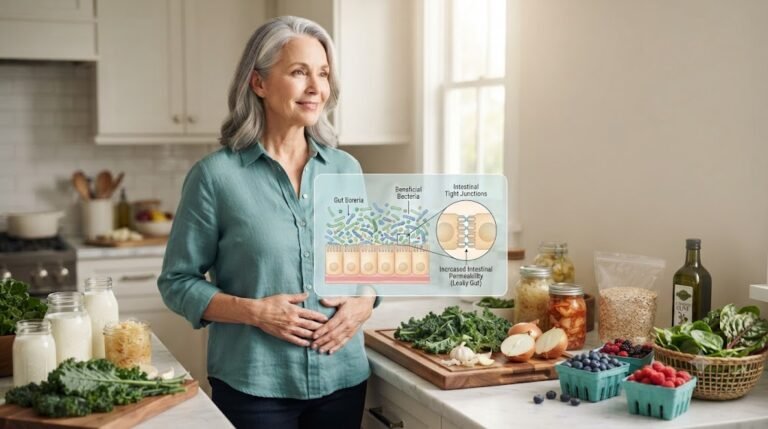
Your digestive system does much more than break down food. Inside your intestines lives a vast community of trillions of microorganisms—collectively known as the gut microbiome—that plays a central role in digestion, immunity, metabolism, and even brain function.
As we age, the diversity and balance of these microorganisms naturally change. Lifestyle factors such as diet, physical activity, medications, stress, and sleep can further influence the composition of the gut microbiome. These changes may contribute to digestive discomfort, reduced immune resilience, chronic inflammation, and a higher risk of several age-related conditions.
Fortunately, many of the factors that influence gut health are within our control. By adopting healthy eating habits and supporting a diverse microbiome, adults can help maintain digestive wellness and promote healthy aging.
In this article, you’ll learn why gut health after 50 matters more than ever, how the gut microbiome changes with age, and the evidence-based strategies that support a healthier digestive system throughout later life.
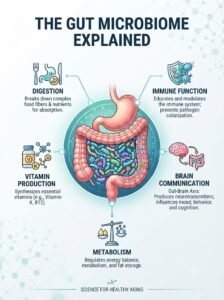
The gut microbiome refers to the enormous collection of bacteria, fungi, viruses, and other microorganisms that naturally live inside the digestive tract.
Although many people associate bacteria with disease, the vast majority of microorganisms living in a healthy gut perform beneficial functions.
These include:
Scientists estimate that the human gut contains hundreds of different bacterial species that work together as a complex ecosystem.
Maintaining a diverse microbiome is considered one of the foundations of good gut health after 50.
The gut microbiome is dynamic throughout life.
Beginning in midlife, several factors contribute to gradual changes in microbial diversity and digestive function.
These include:
As beneficial bacteria decline, harmful microorganisms may become more abundant, creating an imbalance known as dysbiosis.
Although dysbiosis is not considered a disease itself, it has been associated with several chronic health conditions.
Supporting gut health after 50 focuses on maintaining microbial diversity rather than eliminating bacteria.
Researchers now recognize the gut microbiome as one of the body’s most important biological systems.
Healthy gut bacteria influence numerous aspects of overall health.
Beneficial bacteria help digest complex carbohydrates and fiber that human digestive enzymes cannot fully break down.
During this process, they produce short-chain fatty acids (SCFAs) such as butyrate, acetate, and propionate.
These compounds nourish cells lining the colon and help maintain intestinal health.
Approximately 70% of the body’s immune cells are located within the gastrointestinal tract.
The gut microbiome helps educate and regulate the immune system, allowing it to distinguish between harmless substances and genuine threats.
A balanced microbiome may support normal immune function while helping prevent excessive inflammatory responses.
Good gut health after 50 becomes increasingly important because immune function naturally changes with age.
The digestive tract and brain constantly communicate through what scientists call the gut-brain axis.
Gut bacteria produce neurotransmitters and signaling molecules that influence:
Although research is ongoing, growing evidence suggests that maintaining a healthy microbiome may contribute to healthier brain aging.
The gut microbiome also affects:
Healthy dietary patterns that support the microbiome may also improve metabolic health over time.
Digestive symptoms do not always indicate an unhealthy microbiome, but persistent symptoms deserve medical evaluation.
Some common signs include:
It’s important to remember that these symptoms can have many different causes.
If symptoms persist or worsen, consult a healthcare professional for proper evaluation.
Rather than focusing on expensive supplements, researchers increasingly emphasize simple lifestyle habits that encourage microbial diversity.
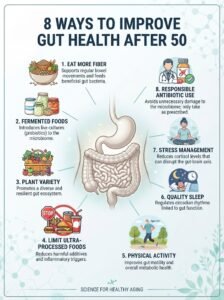
Fiber is often described as the preferred fuel for beneficial gut bacteria.
Foods rich in fiber include:
When bacteria ferment fiber, they produce short-chain fatty acids that help maintain the intestinal lining.
Increasing dietary fiber is one of the most effective ways to improve gut health after 50.
A balanced diet should also include adequate protein. Learn more in Protein After 50.
Fermented foods naturally contain beneficial microorganisms.
Examples include:
Regular consumption may help increase microbial diversity, although responses vary between individuals.
Instead of focusing on individual “superfoods,” experts recommend eating many different plant foods.
Different bacteria thrive on different fibers and plant compounds.
A simple goal is to consume 30 or more different plant foods each week, including fruits, vegetables, herbs, legumes, nuts, seeds, and whole grains.
Greater dietary diversity generally supports better gut health after 50.
Highly processed foods often contain:
Frequent consumption has been associated with less favorable microbiome diversity.
Replacing processed foods with minimally processed whole foods may benefit digestive health over time.
Exercise benefits much more than muscles and the heart.
Regular physical activity has also been associated with greater microbial diversity.
Walking, strength training, cycling, and swimming all contribute to overall health while supporting gut health after 50.
Poor sleep may influence both the immune system and the gut microbiome.
Maintaining a consistent sleep schedule and prioritizing sleep quality supports healthy aging across multiple body systems.
Chronic psychological stress affects much more than mental health.
Long-term stress can alter the composition of the gut microbiome through the gut-brain axis, influencing digestion, intestinal permeability, immune function, and inflammation.
Stress-management techniques that may support gut health after 50 include:
While stress cannot be eliminated entirely, healthy coping strategies may positively influence both the brain and the gut.
Antibiotics are essential medications for treating bacterial infections, but they can also temporarily reduce beneficial gut bacteria.
Never avoid antibiotics when they are medically necessary. However, unnecessary antibiotic use may contribute to reduced microbial diversity.
After completing an antibiotic course, consuming a balanced, fiber-rich diet may help support recovery of the gut microbiome.
Maintaining healthy habits before and after antibiotic treatment contributes to better gut health after 50.
Probiotics are live microorganisms that may provide health benefits when consumed in adequate amounts.
Although probiotics receive significant attention, research shows that their effects are highly strain-specific.
Not all probiotic supplements produce the same results, and many healthy adults may obtain meaningful benefits simply by consuming fermented foods and maintaining a high-fiber diet.
Individuals with digestive disorders should consult a healthcare professional before choosing probiotic supplements.
For most people, probiotics should complement—not replace—a healthy dietary pattern that supports gut health after 50.
Prebiotics are types of dietary fiber that feed beneficial gut bacteria.
Unlike probiotics, which introduce live microorganisms, prebiotics nourish the bacteria already present in the intestine.
Excellent food sources include:
Eating prebiotic-rich foods alongside fermented foods may create an environment that supports a healthier microbiome.
Building meals around whole, minimally processed foods naturally promotes microbial diversity.
Some of the best foods for gut health after 50 include:
Rather than relying on one “superfood,” aim for variety across the week.
Many of these foods are central to the Mediterranean Diet for Healthy Aging, one of the best-studied eating patterns for supporting the gut microbiome.
Many gut-friendly foods also appear in our guide to Anti-Inflammatory Foods After 50.
Some dietary patterns are associated with reduced microbial diversity.
These include diets high in:
Enjoying these foods occasionally is unlikely to cause harm, but regularly replacing them with whole foods better supports gut health after 50.
Here’s an example of how to support the gut microbiome throughout the day.
Breakfast
Morning Snack
Lunch
Afternoon Snack
Dinner
This eating pattern combines fiber, fermented foods, healthy fats, and plant diversity to support gut health after 50 naturally.
As we age, the gut microbiome often becomes less diverse, and digestive function may gradually change. Supporting gut health after 50 helps maintain digestion, immune function, and overall healthy aging.
Fiber-rich foods, fermented foods, legumes, fruits, vegetables, whole grains, nuts, seeds, and extra virgin olive oil are among the best dietary choices.
Not necessarily. Many healthy adults can support their gut microbiome through a diverse, fiber-rich diet and fermented foods. Probiotic supplements may be beneficial in specific situations but are not essential for everyone.
Changes in diet may begin influencing the gut microbiome within days, but maintaining long-term healthy habits is most important for lasting benefits.
Yes. Much of the immune system interacts closely with the gut microbiome. Maintaining gut health after 50 may help support normal immune function and healthy aging.
Scientists continue to discover how profoundly the gut microbiome influences nearly every aspect of human health.
Although aging naturally changes the digestive system, lifestyle choices remain powerful tools for maintaining microbial diversity.
Supporting gut health after 50 does not require expensive supplements or restrictive diets. Instead, focus on eating a wide variety of fiber-rich whole foods, including fermented foods, staying physically active, managing stress, sleeping well, and limiting ultra-processed foods.
These consistent daily habits work together to promote healthier digestion, stronger immune function, reduced chronic inflammation, and better overall well-being throughout the aging process.
This article is intended for educational purposes only and should not be considered medical advice, diagnosis, or treatment. The information provided is based on current scientific evidence available at the time of publication but may not apply to every individual. Always consult a qualified healthcare professional before making decisions about your health, starting a new exercise program, or using supplements or medications.

The Live Ever Better Editorial Team is dedicated to publishing evidence-based content that helps adults over 50 achieve healthier aging and greater longevity. Every article is carefully researched using scientific studies, clinical guidelines, and trusted health organizations to ensure accurate, practical, and reliable health information.