Physical Address
304 North Cardinal St.
Dorchester Center, MA 02124
Physical Address
304 North Cardinal St.
Dorchester Center, MA 02124
Brain and cognitive health after 50 depends on maintaining an active mind, healthy lifestyle habits, and evidence-based preventive strategies. This category covers memory, cognitive performance, dementia prevention, neuroplasticity, nutrition, exercise, sleep, and daily habits that support long-term cognitive function. Learn practical ways to protect your brain, improve memory, and promote healthy cognitive aging.

Many adults notice that remembering names becomes more difficult with age. Walking into a room and forgetting why you went there or struggling to recall someone’s name at a social event can feel frustrating. While occasional forgetfulness is a normal…

Dementia is one of the greatest health concerns associated with aging. Many adults worry that occasional forgetfulness or slower thinking may be the first signs of a serious cognitive disorder. While age is the strongest risk factor for dementia, growing…

Learning how to improve memory after 50 is a common goal for adults who want to maintain cognitive function, independence, and quality of life as they age. Many adults notice subtle changes in memory after turning 50. Forgetting a name…
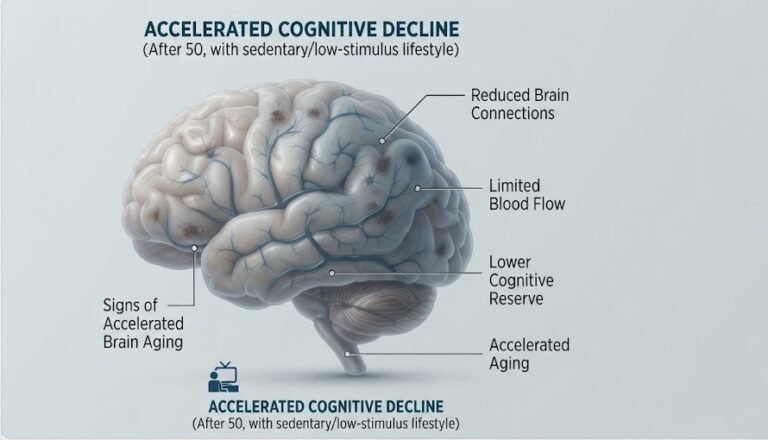
Aging is a natural process, but cognitive decline is not something that should simply be accepted as inevitable. The human brain remains adaptable throughout life. Even after age 50, the brain continues to form new connections, respond to experiences, and…