Physical Address
304 North Cardinal St.
Dorchester Center, MA 02124
Physical Address
304 North Cardinal St.
Dorchester Center, MA 02124
Longevity science explores why we age and how lifestyle, nutrition, genetics, and modern medical research influence lifespan and healthspan. In this section, you’ll find evidence-based articles explaining the latest discoveries in aging biology, cellular health, inflammation, metabolism, biomarkers, and preventive medicine. Our goal is to make complex longevity research easy to understand while helping you apply practical strategies that support healthier aging and long-term well-being.

Many adults notice that maintaining energy becomes increasingly difficult after the age of 50. Tasks that once felt effortless may require more recovery, exercise can become more challenging, and fatigue may appear even after a full night’s sleep. While these…
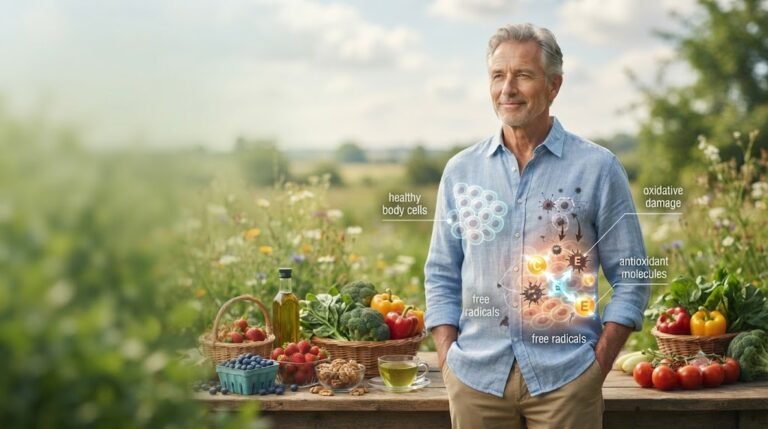
Aging is a natural biological process, but not all aging occurs at the same pace. One of the most important mechanisms influencing how quickly our cells age is oxidative stress after 50. Over time, oxidative damage accumulates throughout the body,…
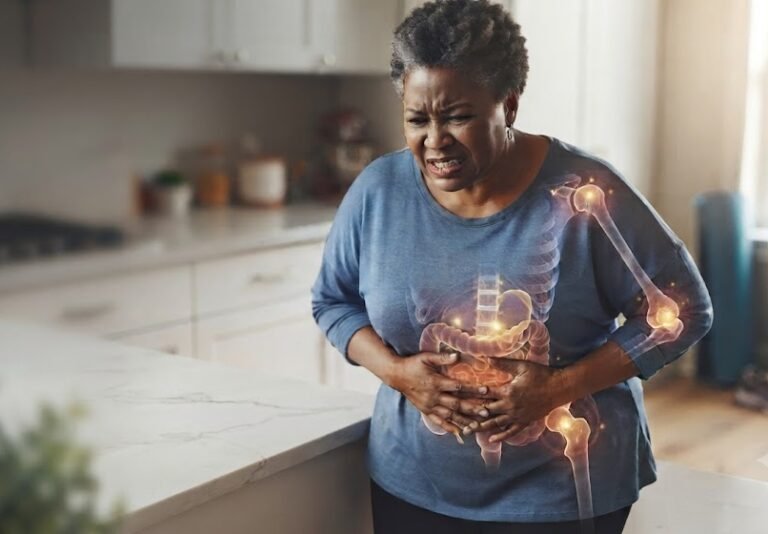
Inflammation is one of the body’s most powerful defense mechanisms. Whenever you cut your finger, catch a viral infection, or strain a muscle during exercise, your immune system launches an inflammatory response designed to eliminate harmful agents and repair damaged…
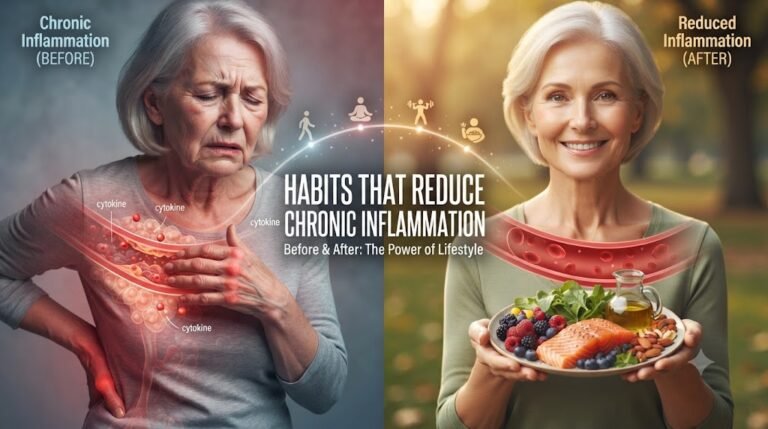
If you’ve heard the term chronic inflammation after 50, you may wonder why doctors and longevity researchers consider it one of the greatest threats to healthy aging. Unlike the short-term inflammation that helps your body heal after an injury or…

If you’ve been searching for how to reduce your biological age naturally, you’ve probably realized that modern longevity science is changing the way we think about aging. For decades, people assumed aging was simply the unavoidable consequence of getting older.…