Physical Address
304 North Cardinal St.
Dorchester Center, MA 02124
Physical Address
304 North Cardinal St.
Dorchester Center, MA 02124
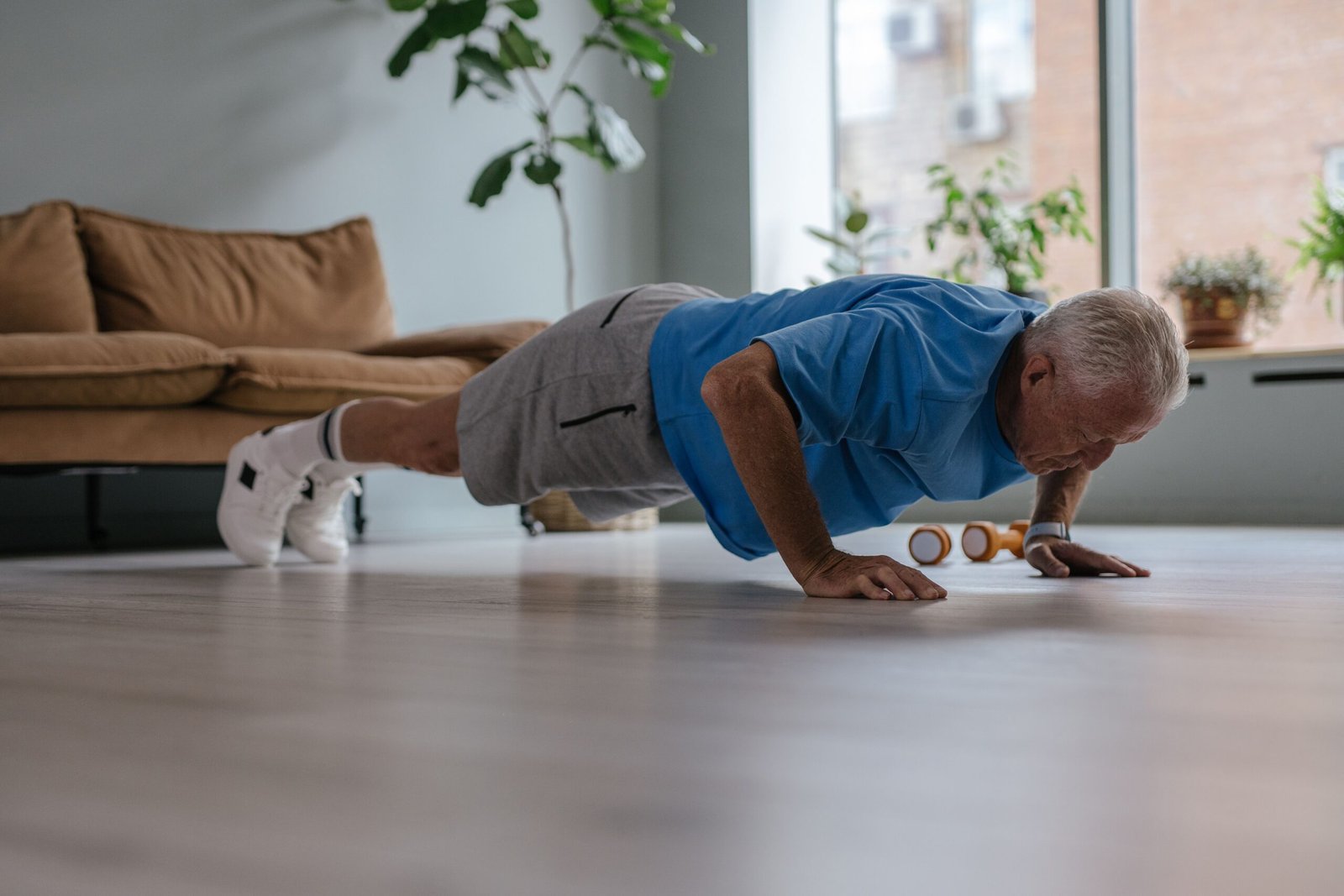
Strength training after 50 is one of the most effective strategies for preserving muscle, improving physical performance, and supporting healthy aging.
Aging does not automatically mean losing strength, mobility, or independence.
While muscle loss naturally becomes more common after midlife, research shows that adults can maintain and even build muscle at older ages through consistent resistance training.
Strength training after 50 is one of the most effective strategies for protecting muscle health, supporting metabolism, improving physical function, and promoting healthy aging.
The goal is not simply to build bigger muscles. The goal is to preserve the strength needed to enjoy everyday activities, maintain independence, and live better for longer.
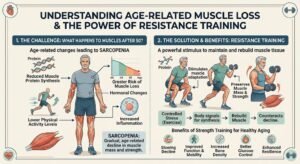
After the age of 50, the body gradually experiences changes that can affect muscle maintenance.
These changes include:
This age-related decline in muscle mass and strength is known as sarcopenia.
However, sarcopenia is not an unavoidable consequence of aging.
Resistance training provides a powerful stimulus that tells the body to maintain and rebuild muscle tissue.
Learn more about age-related muscle loss in our guide:
[Sarcopenia: Symptoms, Causes, Prevention, and the Best Ways to Preserve Muscle After 50]
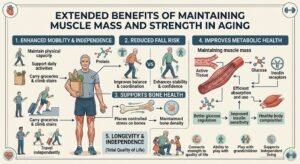
Strength training provides benefits that go far beyond muscle growth.
Muscle strength naturally declines with age, but regular resistance training helps slow this process by stimulating muscle adaptation.
Maintaining muscle helps support:
Resistance training places controlled stress on bones, encouraging the body to maintain bone density.
This is especially important because bone loss becomes more common with aging.
Muscle is a highly active metabolic tissue.
Maintaining muscle mass supports:
Falls are a major concern as people age.
Strength training improves:
These improvements can help older adults remain active and confident.
Strength is closely connected to quality of life.
The ability to:
depends largely on maintaining physical capacity.
For most adults over 50, a consistent routine of:
2–4 strength training sessions per week
can provide significant benefits.
The ideal frequency depends on:
Beginners may start with two full-body sessions per week, while more experienced individuals may benefit from three or four sessions.
Consistency is more important than perfection.
A well-designed program should focus on fundamental movement patterns rather than isolated exercises.
The goal is to train the entire body and maintain functional strength.
Examples:
Benefits:
Examples:
Benefits:
Examples:
Benefits:
Exercises should always be adapted to individual limitations, injuries, and experience levels.
Examples:
Benefits:
Examples:
Benefits:
Strength training after 50 is not about lifting the heaviest possible weight.
The goal is to create enough stimulus for the body to adapt while maintaining safe technique.
A good approach includes:
The principle of progressive overload is essential.
This means gradually increasing:
over time.
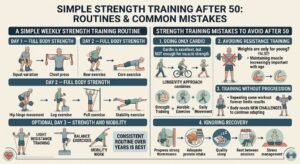
A practical full-body routine could look like this:
The best routine is the one that can be maintained consistently for years.
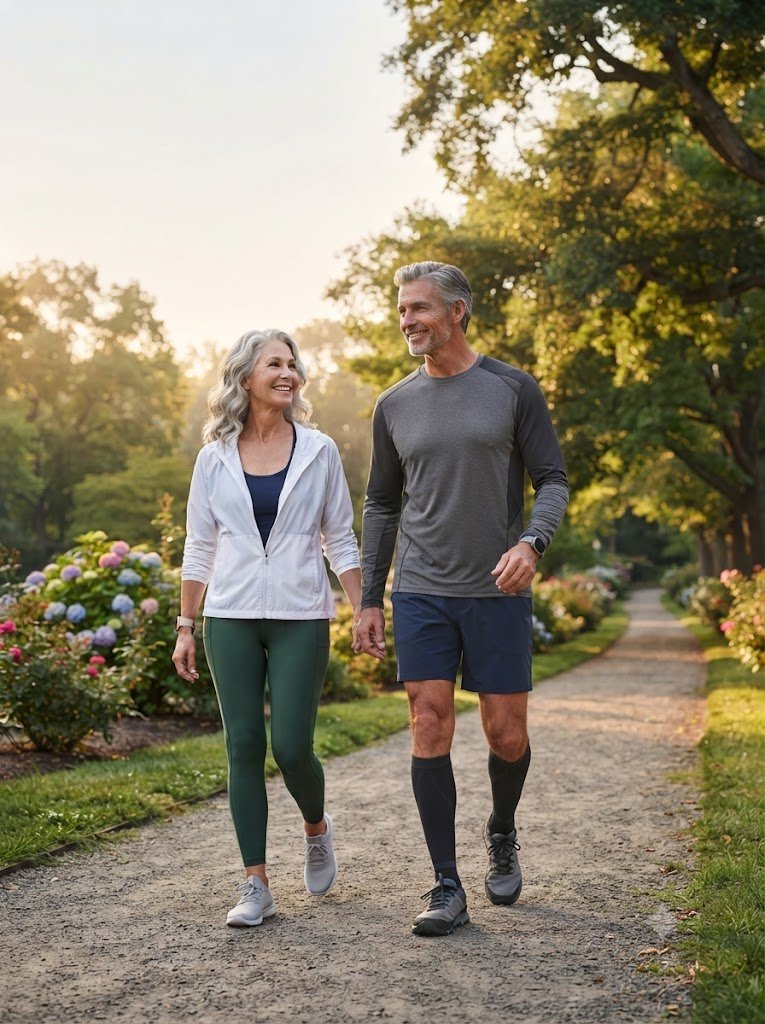
Walking, cycling, and aerobic exercise are excellent for cardiovascular health.
However, cardio alone does not provide the same stimulus needed to preserve muscle strength.
The best longevity approach combines:
Many adults avoid weights because they believe strength training is only for younger people.
The opposite is true.
Maintaining muscle becomes increasingly important as we age.
Repeating the same workout forever may limit results.
The body needs new challenges to continue adapting.
Recovery is essential for muscle growth.
Important factors include:
Yes.
Research shows that older adults can increase muscle size and strength through resistance training.
The body remains adaptable throughout life.
Although younger adults may build muscle faster, older adults can achieve meaningful improvements with:
Building muscle after 50 is not only possible — it is one of the most effective ways to protect future health.
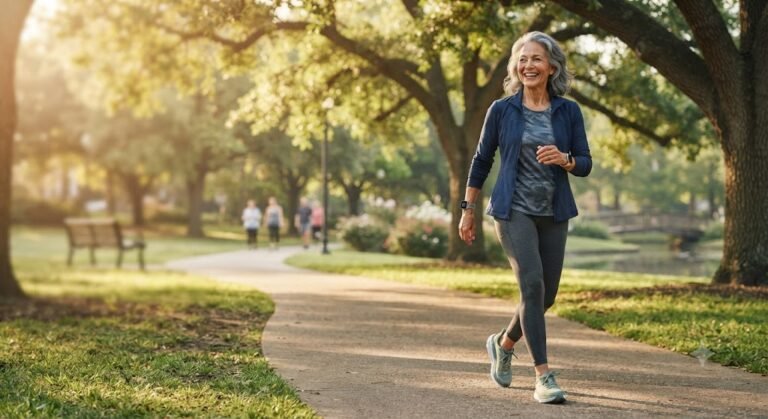
Walking and strength training provide different benefits.
Walking supports:
Strength training supports:
For healthy aging, the ideal approach is combining both.
Most adults can benefit from two to four strength training sessions per week, depending on experience, recovery, and goals.
Yes. Older adults can gain muscle and strength through progressive resistance training and adequate nutrition.
When performed with proper technique and appropriate progression, strength training is considered safe and beneficial for most older adults.
There is no single best exercise. The strongest longevity strategy combines resistance training, aerobic exercise, mobility, and regular movement.
Strength is one of the foundations of healthy aging.
Maintaining muscle is not only about physical appearance. It is about preserving independence, mobility, confidence, and quality of life.
After 50, the goal is not to fight aging — it is to age stronger.
A consistent strength training routine combined with proper nutrition, recovery, and an active lifestyle can help protect muscle and support a longer, healthier life.
• Fragala MS, et al. Resistance Training for Older Adults: Position Statement From the National Strength and Conditioning Association. Journal of Strength and Conditioning Research. 2019.
Read the study → https://pubmed.ncbi.nlm.nih.gov/30694380/
• Liu CJ, Latham NK. Progressive resistance strength training for improving physical function in older adults. Cochrane Database of Systematic Reviews. 2009.
Read the study → https://pubmed.ncbi.nlm.nih.gov/19588334/
• Morton RW, et al. Resistance training and lean body mass: a systematic review and meta-analysis. British Journal of Sports Medicine. 2018.
Read the study → https://pubmed.ncbi.nlm.nih.gov/28698222/
• American College of Sports Medicine. Exercise and Physical Activity Guidelines for Older Adults.
Read the guideline → https://pubmed.ncbi.nlm.nih.gov/

The Live Ever Better Editorial Team is dedicated to publishing evidence-based content that helps adults over 50 achieve healthier aging and greater longevity. Every article is carefully researched using scientific studies, clinical guidelines, and trusted health organizations to ensure accurate, practical, and reliable health information.