Physical Address
304 North Cardinal St.
Dorchester Center, MA 02124
Physical Address
304 North Cardinal St.
Dorchester Center, MA 02124
Chronic inflammation is increasingly recognized as one of the key biological processes that contribute to aging and many age-related diseases. Unlike the short-term inflammation that helps the body heal after an injury or infection, chronic low-grade inflammation can silently damage tissues and organs over many years.
Research has linked persistent inflammation to conditions such as cardiovascular disease, type 2 diabetes, arthritis, cognitive decline, and sarcopenia. Fortunately, lifestyle choices—particularly nutrition—can play an important role in supporting a healthy inflammatory response.
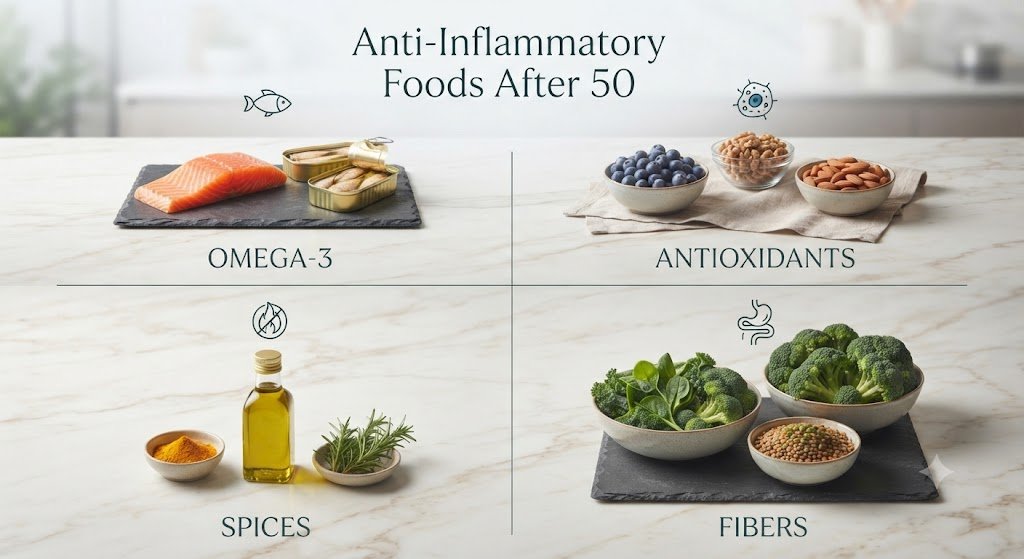
Choosing the right anti-inflammatory foods after 50 is not about following a restrictive diet or relying on a single “superfood.” Instead, it involves consistently eating a variety of nutrient-rich whole foods that provide antioxidants, healthy fats, fiber, vitamins, minerals, and bioactive plant compounds.
In this article, you’ll discover the science behind chronic inflammation, learn which foods have the strongest evidence for supporting healthy aging, and explore practical ways to incorporate them into your daily routine.
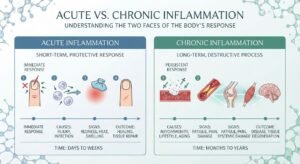
Inflammation is a natural biological response that helps protect the body from infections, injuries, and harmful substances.
In the short term, inflammation is beneficial. It helps repair damaged tissues and activates the immune system to fight threats.
However, when inflammation persists for months or years without a clear cause, it becomes chronic. This low-grade inflammatory state can gradually damage blood vessels, muscles, joints, and even the brain.
Scientists sometimes refer to this process as “inflammaging,” describing the chronic, low-level inflammation that often accompanies aging.
Understanding chronic inflammation helps explain why choosing anti-inflammatory foods after 50 may support healthier aging across multiple body systems.
Although both involve the immune system, acute and chronic inflammation are very different.
Acute inflammation is:
Chronic inflammation is:
The goal is not to eliminate inflammation entirely but to support a balanced immune response through healthy lifestyle habits.
Several factors contribute to increased inflammation with age, including:
While aging itself cannot be prevented, many of these contributing factors are modifiable.
Adopting healthier habits—including eating more anti-inflammatory foods after 50—may help reduce inflammatory burden over time.
Every meal influences the body’s inflammatory environment.
Highly processed foods rich in added sugars, refined carbohydrates, and unhealthy fats may promote inflammation, while nutrient-rich whole foods provide compounds that help regulate normal immune function.
Many foods naturally contain:
These nutrients work together to reduce oxidative stress and support healthy aging.
Instead of focusing on individual nutrients, researchers increasingly recommend dietary patterns rich in anti-inflammatory foods after 50, such as the Mediterranean diet.
Building each meal around anti-inflammatory foods after 50 is a practical strategy that supports long-term health while reducing dependence on highly processed foods.
No single food can eliminate inflammation.
Instead, the greatest benefits come from eating a wide variety of nutrient-dense foods consistently over time.
Extra virgin olive oil is one of the cornerstones of the Mediterranean diet.
It contains monounsaturated fats and polyphenols, including oleocanthal, a naturally occurring compound with anti-inflammatory properties.
Regular consumption has been associated with improved cardiovascular health and reduced inflammatory markers.
Among the best anti-inflammatory foods after 50, extra virgin olive oil deserves a place in everyday cooking.
Salmon provides high-quality protein along with EPA and DHA, the long-chain omega-3 fatty acids most strongly associated with anti-inflammatory effects.
These healthy fats support:
Aim to include fatty fish at least two times per week.
Learn more about EPA and DHA in our complete guide to Omega-3 for Healthy Aging.
Sardines offer many of the same benefits as salmon while also providing calcium, vitamin D, and selenium.
Because they are small fish, sardines also tend to contain lower levels of mercury than many larger species.
They are among the most nutrient-dense anti-inflammatory foods after 50 available.
Blueberries are rich in anthocyanins, powerful plant compounds responsible for their deep blue color.
Research suggests these antioxidants may help reduce oxidative stress and support healthy brain aging.
Fresh or frozen blueberries can easily be added to yogurt, oatmeal, or smoothies.
Discover additional lifestyle strategies in Brain Health After 50.
Spinach, kale, arugula, collard greens, and Swiss chard provide:
Regular consumption is associated with healthier cardiovascular function and better overall dietary quality.
These vegetables are essential anti-inflammatory foods after 50 because they deliver a broad spectrum of nutrients with relatively few calories.
Walnuts are one of the richest plant sources of alpha-linolenic acid (ALA), a plant-based omega-3 fatty acid.
They also provide antioxidants, magnesium, and fiber.
Eating a small handful of walnuts several times per week may support cardiovascular and metabolic health.
Almonds contribute healthy monounsaturated fats, vitamin E, magnesium, and plant protein.
They make an excellent snack and can be added to salads, yogurt, or oatmeal for additional texture and nutrition.
Despite their small size, chia seeds are packed with:
They absorb water and form a gel-like texture, making them a versatile ingredient for puddings, smoothies, and overnight oats.
Flaxseeds are another excellent source of alpha-linolenic acid (ALA), soluble fiber, and lignans—plant compounds with antioxidant properties.
Ground flaxseeds are generally better absorbed than whole seeds and can easily be added to yogurt, smoothies, oatmeal, or whole-grain cereals.
Regular consumption of flaxseeds complements other anti-inflammatory foods after 50 by providing healthy fats and fiber that support cardiovascular and digestive health.
Tomatoes are rich in lycopene, a carotenoid with powerful antioxidant properties.
Cooking tomatoes with extra virgin olive oil increases lycopene absorption, making tomato sauce and roasted tomatoes excellent additions to an anti-inflammatory eating pattern.
They also provide vitamin C, potassium, and several beneficial phytochemicals.
Broccoli contains sulforaphane, glucosinolates, vitamin C, vitamin K, folate, and fiber.
These compounds have been widely studied for their potential role in supporting healthy aging and reducing oxidative stress.
Steaming broccoli helps preserve many of its beneficial nutrients.
Beans and lentils are affordable nutritional powerhouses.
They provide:
Regular consumption supports heart health, blood sugar regulation, and digestive health.
As staple anti-inflammatory foods after 50, legumes can replace more processed protein sources while increasing overall dietary quality.
Legumes are also valuable protein sources. Learn how much protein you need in Protein After 50.
Turmeric contains curcumin, one of the most extensively researched natural compounds for its anti-inflammatory properties.
Curcumin is better absorbed when consumed with black pepper, which contains piperine.
Although turmeric should not be viewed as a treatment for disease, incorporating it into meals may complement an overall anti-inflammatory dietary pattern.
Green tea provides catechins, particularly epigallocatechin gallate (EGCG), which has antioxidant and anti-inflammatory properties.
Replacing sugar-sweetened beverages with green tea may contribute to healthier aging while supporting hydration.
High-quality dark chocolate contains flavonoids that may support vascular function and reduce oxidative stress.
Moderation remains important because chocolate is still calorie-dense.
Choosing products with at least 70% cocoa and minimal added sugar provides the greatest nutritional value.
Many people wonder whether changing their diet can help relieve chronic pain.
While nutrition is not a cure for painful conditions, growing evidence suggests that an anti-inflammatory eating pattern may help reduce inflammation that contributes to pain in some individuals.
Research has explored the effects of anti-inflammatory diets in conditions such as:
A diet rich in vegetables, fruits, legumes, whole grains, fatty fish, nuts, seeds, and extra virgin olive oil may help lower inflammatory markers while supporting joint, muscle, and cardiovascular health.
The greatest benefits are typically observed when nutrition is combined with regular physical activity, healthy weight management, quality sleep, and appropriate medical treatment.
Although results vary between individuals, adopting more anti-inflammatory foods after 50 represents a practical lifestyle strategy that may contribute to improved comfort and mobility over time.
Chronic inflammation also affects cognitive health. Read Prevent Dementia to learn about other evidence-based ways to reduce dementia risk.
Just as some foods support a healthy inflammatory response, others may contribute to chronic inflammation when consumed frequently.
These include:
This does not mean these foods must be completely eliminated. Instead, they should be consumed occasionally while whole foods remain the foundation of the diet.
Replacing processed foods with anti-inflammatory foods after 50 more often than not can gradually improve overall dietary quality and support healthy aging.
Here’s an example of how to include more anti-inflammatory foods after 50 throughout the day.
Breakfast
Morning Snack
Lunch
Afternoon Snack
Dinner
Dessert
This meal plan demonstrates that eating anti-inflammatory foods after 50 can be simple, enjoyable, and adaptable to different tastes and cultural traditions.
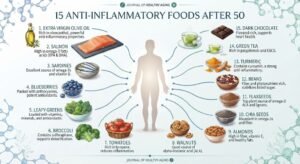
Some of the best choices include extra virgin olive oil, salmon, sardines, blueberries, leafy green vegetables, broccoli, beans, lentils, walnuts, chia seeds, flaxseeds, tomatoes, green tea, turmeric, and dark chocolate.
A healthy dietary pattern rich in minimally processed whole foods may help support a normal inflammatory response. However, diet should be considered one part of a comprehensive healthy lifestyle.
Yes. The Mediterranean diet is widely recognized as one of the most evidence-based anti-inflammatory dietary patterns because it emphasizes fruits, vegetables, legumes, fish, olive oil, and whole grains.
Although they do not replace medical treatment, an anti-inflammatory diet may help improve symptoms in some individuals by supporting overall health and reducing chronic inflammation.
Improvements depend on many factors, including overall diet, physical activity, sleep, body weight, and existing medical conditions. Most healthy dietary changes should be viewed as long-term lifestyle habits rather than quick solutions.
The greatest benefits come from consistently including anti-inflammatory foods after 50 as part of your daily eating pattern rather than relying on occasional healthy meals. Long-term dietary habits have a much greater impact on healthy aging than isolated food choices.
Chronic inflammation is one of the biological processes most closely associated with aging and many chronic diseases.
Fortunately, everyday food choices can help support a healthier inflammatory response.
The best anti-inflammatory foods after 50 include a wide variety of vegetables, fruits, legumes, nuts, seeds, fatty fish, whole grains, herbs, spices, and extra virgin olive oil.
Rather than searching for a single miracle food, focus on building an overall dietary pattern rich in minimally processed foods while combining healthy nutrition with regular exercise, quality sleep, stress management, and social connection.
These sustainable habits work together to promote healthier aging, better physical function, and improved quality of life.
This article is intended for educational purposes only and should not be considered medical advice, diagnosis, or treatment. The information provided is based on current scientific evidence available at the time of publication but may not apply to every individual. Always consult a qualified healthcare professional before making decisions about your health, starting a new exercise program, or using supplements or medications.

The Live Ever Better Editorial Team is dedicated to publishing evidence-based content that helps adults over 50 achieve healthier aging and greater longevity. Every article is carefully researched using scientific studies, clinical guidelines, and trusted health organizations to ensure accurate, practical, and reliable health information.