Physical Address
304 North Cardinal St.
Dorchester Center, MA 02124
High blood pressure is one of the most common health concerns affecting adults over 50, yet millions of people don’t realize they have it until serious complications develop. If you’re wondering how to lower blood pressure naturally after 50, you’re not alone. This question has become increasingly important as more people look for evidence-based ways to improve heart health through lifestyle changes rather than relying solely on medication.
Blood pressure naturally changes with age as arteries gradually lose elasticity. However, aging itself is not the only reason blood pressure increases. Daily habits—including diet, physical activity, sleep quality, body weight, stress levels, and alcohol consumption—play a significant role in determining cardiovascular health.
The encouraging news is that numerous scientific studies show that healthy lifestyle habits can meaningfully reduce blood pressure, improve arterial function, and lower the risk of heart attack, stroke, kidney disease, and cognitive decline.
Learning how to lower blood pressure naturally after 50 is not about following restrictive diets or complicated exercise programs. It’s about making sustainable changes that improve your overall health while supporting healthy aging.
In this guide, you’ll discover what causes blood pressure to rise after 50, why controlling it is essential for longevity, and the ten evidence-based habits that can help you maintain a healthier cardiovascular system for years to come.
In this article
ToggleBlood pressure measures the force of blood pushing against the walls of your arteries as your heart pumps.
It is expressed using two numbers:
Blood pressure naturally rises and falls throughout the day depending on activity, stress, hydration, and other factors.
Persistent elevations, however, place extra strain on the cardiovascular system.
Understanding how to lower blood pressure naturally after 50 begins with recognizing that healthy blood pressure protects every organ in your body.
Several biological changes contribute to higher blood pressure with aging.
These include:
Many adults also become less active after retirement while gradually losing muscle mass, which further affects cardiovascular and metabolic health.
The good news is that many of these risk factors are modifiable.
That’s exactly why learning how to lower blood pressure naturally after 50 can have such a powerful impact on long-term health.
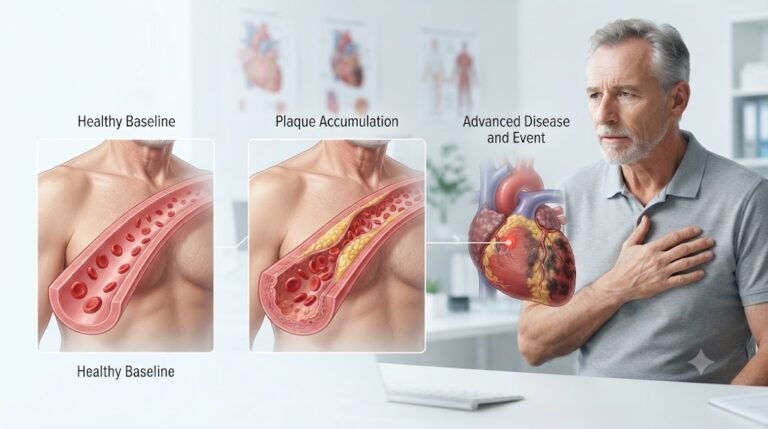
High blood pressure is often called the “silent killer” because it rarely causes symptoms until significant damage has already occurred.
Over time, uncontrolled hypertension increases the risk of:
Research consistently shows that maintaining healthy blood pressure contributes to a longer healthspan—not simply a longer lifespan.
Protecting your cardiovascular system also benefits your brain, muscles, kidneys, and overall physical function.
Walking remains one of the simplest and most effective forms of exercise for adults over 50.
Regular walking helps:
Most health organizations recommend aiming for at least 150 minutes of moderate-intensity aerobic activity each week.
Even a brisk 30-minute walk performed most days can produce meaningful cardiovascular benefits.
Learning how to lower blood pressure naturally after 50 often starts with something as simple as putting on comfortable shoes and walking consistently.
Learn more in Walking and Longevity.
Potassium helps balance the effects of sodium and supports healthy blood vessel function.
Many adults consume far too much sodium while falling short on potassium-rich foods.
Excellent dietary sources include:
Rather than relying on supplements, most people benefit from increasing potassium through whole foods unless otherwise advised by their healthcare provider.
A balanced dietary approach is one of the safest strategies for how to lower blood pressure naturally after 50.
Most sodium comes from processed and restaurant foods rather than from the salt shaker.
Common high-sodium foods include:
Instead of focusing solely on eliminating salt, prioritize preparing more meals at home using fresh ingredients.
Reducing sodium while increasing fruits, vegetables, legumes, and whole grains often produces better long-term results than extreme sodium restriction alone.
The Mediterranean diet is consistently associated with lower cardiovascular risk.
Its emphasis on:
supports healthier blood vessels while reducing inflammation.
This dietary pattern also helps improve cholesterol, blood sugar, and body weight.
For many adults, adopting Mediterranean eating habits becomes one of the most sustainable ways of learning how to lower blood pressure naturally after 50.
Read our guide on Mediterranean Diet for Healthy Aging.
Even modest weight loss can positively influence blood pressure.
Excess abdominal fat contributes to:
Rather than pursuing rapid weight-loss programs, focus on sustainable improvements through nutrition and regular physical activity.
Maintaining muscle while gradually reducing excess body fat offers the greatest cardiovascular benefits.
Learn why Strength Training After 50 plays an important role in maintaining metabolic health.
Aerobic exercise is excellent for cardiovascular health, but resistance training offers unique benefits for blood pressure management.
Strength training helps:
Current guidelines recommend performing resistance training at least two to three times per week, targeting all major muscle groups.
The goal isn’t bodybuilding—it’s maintaining strength, mobility, and cardiovascular health throughout the aging process.
Combining aerobic activity with resistance training is one of the most effective strategies for how to lower blood pressure naturally after 50.
Read our complete guide to Strength Training After 50.
Poor sleep doesn’t simply leave you tired—it also affects your cardiovascular system.
During healthy sleep, blood pressure naturally falls, allowing your heart and blood vessels to recover from the day’s demands.
When sleep is consistently short or fragmented, this recovery process is disrupted.
Research has linked chronic sleep deprivation to:
Adults over 50 should generally aim for 7–9 hours of quality sleep each night while maintaining a regular sleep schedule.
Improving sleep quality is an often-overlooked step in how to lower blood pressure naturally after 50, yet it can have a meaningful impact on overall heart health.
Learn more in Sleep and Healthy Aging.
Stress is a normal part of life.
Chronic stress is not.
When stress becomes persistent, the body continuously releases hormones such as cortisol and adrenaline. Over time, these hormones may contribute to:
Healthy stress-management strategies include:
Learning to recover from stress—not eliminate it completely—is another essential part of how to lower blood pressure naturally after 50.
Lifestyle habits extend beyond food and exercise.
Excessive alcohol intake can increase blood pressure and contribute to weight gain, irregular heart rhythms, and other cardiovascular problems.
Likewise, smoking damages blood vessels, accelerates arterial stiffness, and dramatically increases the risk of heart attack and stroke.
If you drink alcohol, moderation is key. If you smoke, quitting remains one of the most powerful decisions you can make for your heart and overall longevity.
These changes work alongside other healthy habits to support how to lower blood pressure naturally after 50.
One of the biggest challenges with hypertension is that it often develops without noticeable symptoms.
Home blood pressure monitors have become accurate, affordable, and easy to use.
Monitoring your readings helps you:
Keeping a simple blood pressure log also provides valuable information for your healthcare provider.
Understanding your numbers is an important part of learning how to lower blood pressure naturally after 50 and protecting your long-term cardiovascular health.
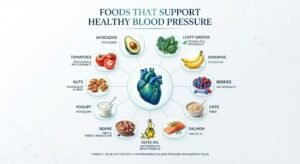
Although no single food acts as a cure for hypertension, certain dietary patterns consistently support cardiovascular health.
Consider including more:
These foods provide fiber, potassium, magnesium, antioxidants, and healthy fats that help support normal blood vessel function.
Learn more in:
For some individuals with mildly elevated blood pressure, lifestyle improvements may significantly reduce blood pressure and delay or reduce the need for medication.
However, people with established hypertension should never stop prescribed medication without consulting their healthcare provider.
Lifestyle changes and medication often work together rather than competing with one another.
The goal is not simply achieving lower blood pressure numbers but reducing the long-term risk of heart attack, stroke, kidney disease, and cognitive decline.
Understanding how to lower blood pressure naturally after 50 means viewing healthy habits as the foundation of cardiovascular health, regardless of whether medication is also required.
Some improvements may appear within a few weeks.
For example:
can all begin lowering blood pressure relatively quickly.
Long-term improvements, however, depend on consistency.
The greatest benefits come from maintaining healthy habits month after month—not from temporary lifestyle changes.
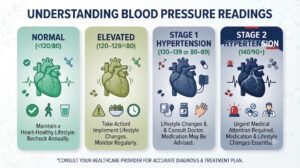
According to current guidelines, a healthy blood pressure for most adults is generally below 120/80 mmHg. Blood pressure between 120–129 mmHg systolic with a diastolic pressure below 80 mmHg is considered elevated. Readings of 130/80 mmHg or higher may indicate hypertension, depending on your overall health and cardiovascular risk. Always discuss your individual target with your healthcare provider.
Yes. Regular brisk walking is one of the most effective forms of aerobic exercise for improving cardiovascular health. Studies show that walking consistently can help lower resting blood pressure, improve circulation, support weight management, and reduce the risk of heart disease.
A heart-healthy eating pattern rich in fruits, vegetables, legumes, whole grains, fish, nuts, and olive oil can support healthy blood pressure. Foods naturally high in potassium, magnesium, fiber, and antioxidants are particularly beneficial.
For many adults, yes. Even modest weight loss can improve blood pressure by reducing strain on the heart and blood vessels while improving insulin sensitivity and lowering inflammation.
Some people notice improvements within a few weeks after adopting healthier habits such as regular exercise, reducing sodium intake, improving sleep, and losing excess weight. However, maintaining healthy blood pressure requires consistency over months and years rather than short-term changes.
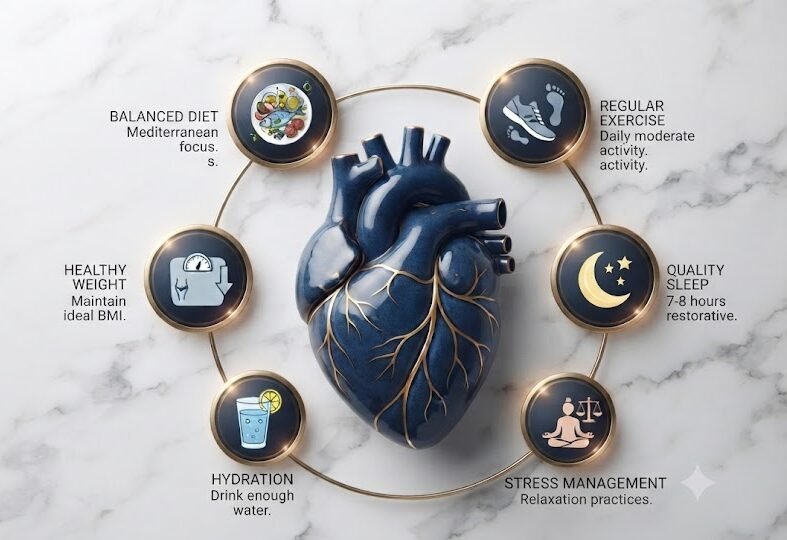
Learning how to lower blood pressure naturally after 50 is one of the most valuable investments you can make in your long-term health. Healthy blood pressure protects not only your heart but also your brain, kidneys, eyes, and blood vessels, reducing the risk of many age-related diseases while helping you maintain independence as you grow older.
The encouraging news is that many of the factors influencing blood pressure are within your control. Regular physical activity, a Mediterranean-style eating pattern, maintaining a healthy weight, quality sleep, stress management, and avoiding smoking all work together to strengthen your cardiovascular system.
Rather than focusing on a single “miracle” food or supplement, think of heart health as the result of consistent daily habits. Every healthy meal, every walk, every strength-training session, and every good night’s sleep contributes to healthier arteries and better circulation.
Most importantly, remember that how to lower blood pressure naturally after 50 is not about perfection. Sustainable improvements practiced consistently will almost always produce greater long-term benefits than extreme lifestyle changes that are difficult to maintain.
By taking small steps today, you’re investing in a healthier heart, a longer healthspan, and a better quality of life for years to come.
• Whelton PK, et al. 2017 ACC/AHA Guideline for the Prevention, Detection, Evaluation, and Management of High Blood Pressure in Adults. Journal of the American College of Cardiology.
Read the guideline → https://pubmed.ncbi.nlm.nih.gov/29133356/
• American Heart Association. Understanding Blood Pressure Readings.
Read the resource → https://www.heart.org/en/health-topics/high-blood-pressure/understanding-blood-pressure-readings
• World Health Organization. Hypertension.
Read the fact sheet → https://www.who.int/news-room/fact-sheets/detail/hypertension
• Sacks FM, et al. Effects on Blood Pressure of Reduced Dietary Sodium and the DASH Diet. New England Journal of Medicine.
Read the study → https://pubmed.ncbi.nlm.nih.gov/11136953/
• American College of Sports Medicine. Exercise and Physical Activity for Older Adults.
Read the position statement → https://pubmed.ncbi.nlm.nih.gov/27304504/
• National Institute on Aging. Heart Health and Aging.
Read the resource → https://www.nia.nih.gov/health/heart-health
The information provided in this article is for educational purposes only and should not be considered medical advice. Always consult a qualified healthcare professional before making changes to your diet, exercise routine, medications, or supplement use. Never disregard professional medical advice or delay seeking it because of something you have read on this website.

The Live Ever Better Editorial Team is dedicated to publishing evidence-based content that helps adults over 50 achieve healthier aging and greater longevity. Every article is carefully researched using scientific studies, clinical guidelines, and trusted health organizations to ensure accurate, practical, and reliable health information.