How to Lower Cholesterol Naturally After 50: 11 Science-Backed Ways to Improve Heart Health

High cholesterol is one of the most common health concerns among adults over 50. Yet many people don’t realize they have it because high cholesterol rarely causes noticeable symptoms until it has already damaged the arteries.

If you’re searching for how to lower cholesterol naturally after 50, the good news is that lifestyle changes can have a powerful impact. Scientific research consistently shows that improving nutrition, becoming more physically active, maintaining a healthy weight, and adopting heart-healthy habits can significantly improve cholesterol levels and reduce the risk of cardiovascular disease.

It’s also important to understand that not all cholesterol is harmful. Cholesterol plays essential roles in hormone production, cell membranes, and vitamin D synthesis. The problem arises when unhealthy patterns lead to elevated LDL cholesterol, low HDL cholesterol, or high triglycerides, increasing the risk of plaque buildup inside the arteries.

The encouraging news is that most of the factors influencing cholesterol are within your control.

In this evidence-based guide, you’ll learn how to lower cholesterol naturally after 50, understand the difference between LDL and HDL cholesterol, and discover practical strategies that support both heart health and healthy aging.


Key Takeaways

  • High LDL cholesterol increases the risk of heart attack and stroke.
  • Healthy lifestyle changes remain the first-line approach for improving cholesterol levels.
  • Soluble fiber, healthy fats, regular exercise, and weight management can significantly improve cardiovascular health.
  • Small daily habits practiced consistently often produce meaningful long-term improvements.
  • Learning how to lower cholesterol naturally after 50 benefits not only your heart but also your overall longevity.

Why Cholesterol Changes After Age 50

Several natural changes occur as we age that can make cholesterol levels more difficult to control.

These include:

  • slower metabolism
  • reduced muscle mass
  • hormonal changes
  • increased abdominal fat
  • lower physical activity
  • insulin resistance
  • dietary habits accumulated over decades

Together, these factors may contribute to higher LDL cholesterol and triglycerides while reducing protective HDL cholesterol.

This is one reason why understanding how to lower cholesterol naturally after 50 becomes increasingly important during midlife and beyond.
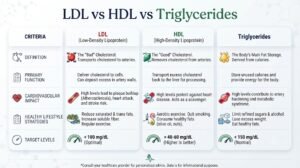

Understanding LDL, HDL, and Triglycerides

cholesterol 6

Not all cholesterol is the same.

LDL Cholesterol

Often called “bad cholesterol,” LDL carries cholesterol from the liver to the body’s tissues.

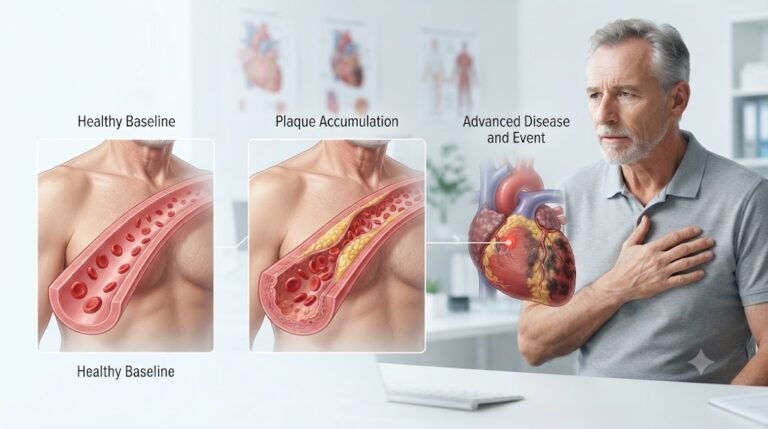
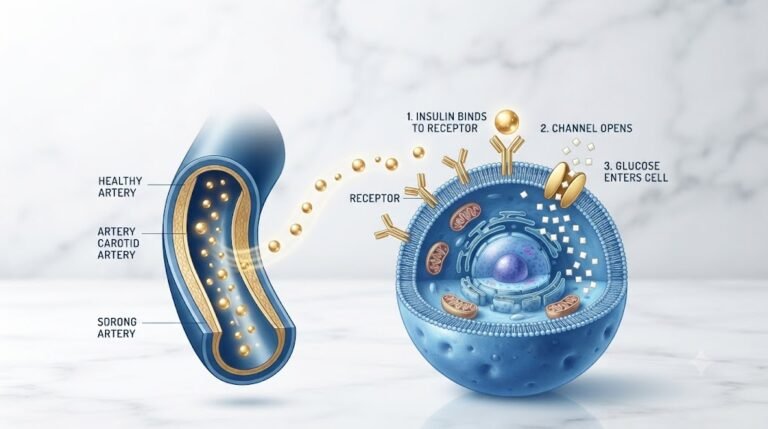
When LDL levels become too high, cholesterol can accumulate inside artery walls, forming plaques that narrow blood vessels over time.


HDL Cholesterol

HDL is commonly known as “good cholesterol.”

Its job is to transport excess cholesterol back to the liver, where it can be processed and removed.

Higher HDL levels are generally associated with lower cardiovascular risk.


Triglycerides

Triglycerides are another type of blood fat.

High triglycerides often occur alongside:

  • obesity
  • insulin resistance
  • type 2 diabetes
  • metabolic syndrome

Managing triglycerides is also an important part of learning how to lower cholesterol naturally after 50.


Why High Cholesterol Matters

High cholesterol develops silently.

Many people feel completely healthy while plaque gradually builds inside their arteries.

Over time, this process—known as atherosclerosis—can reduce blood flow and increase the risk of:

  • coronary artery disease
  • heart attack
  • stroke
  • peripheral artery disease

High cholesterol also frequently occurs alongside:

  • hypertension
  • obesity
  • chronic inflammation
  • insulin resistance

For this reason, improving cholesterol often benefits multiple aspects of healthy aging simultaneously.

Continue reading:


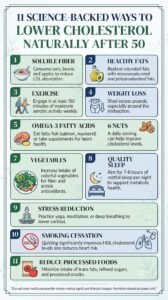
1. Eat More Soluble Fiber

One of the most effective dietary strategies for how to lower cholesterol naturally after 50 is increasing soluble fiber intake.

Soluble fiber binds cholesterol inside the digestive tract, helping remove it from the body before it can be absorbed.

Excellent sources include:

  • oats
  • barley
  • beans
  • lentils
  • apples
  • pears
  • citrus fruits
  • flaxseed

People who regularly consume fiber-rich foods generally have healthier cholesterol profiles and lower cardiovascular risk.


2. Replace Saturated Fats with Healthy Unsaturated Fats

The type of fat you eat matters just as much as the amount.

One of the most effective strategies for how to lower cholesterol naturally after 50 is replacing saturated fats with healthier unsaturated fats rather than simply reducing total fat intake.

Healthy fats can help lower LDL cholesterol while supporting heart health.

Excellent choices include:

  • extra virgin olive oil
  • avocados
  • walnuts
  • almonds
  • pistachios
  • chia seeds
  • flaxseeds
  • fatty fish such as salmon and sardines

Try to limit foods high in saturated fat, including:

  • fatty cuts of red meat
  • processed meats
  • butter
  • full-fat dairy products
  • coconut oil (in excess)

Replacing—not eliminating—fat is one of the keys to learning how to lower cholesterol naturally after 50.

Learn more in:


3. Reduce Ultra-Processed Foods

Ultra-processed foods often contain unhealthy fats, refined carbohydrates, added sugars, and excessive sodium.

Examples include:

  • packaged snacks
  • sugary breakfast cereals
  • processed meats
  • fast food
  • frozen ready meals
  • pastries
  • sweetened beverages

These foods are associated with:

  • higher LDL cholesterol
  • elevated triglycerides
  • insulin resistance
  • chronic inflammation
  • weight gain

Replacing ultra-processed foods with minimally processed whole foods is one of the simplest ways to improve cholesterol naturally.


4. Lose Excess Body Weight

Even modest weight loss can significantly improve cholesterol levels.

Research shows that losing just 5–10% of body weight may help:

  • reduce LDL cholesterol
  • lower triglycerides
  • increase HDL cholesterol
  • improve blood pressure
  • enhance insulin sensitivity

Visceral fat—the fat surrounding internal organs—is particularly harmful because it contributes to inflammation and metabolic dysfunction.

Reducing abdominal fat is therefore an important part of how to lower cholesterol naturally after 50.

Continue reading:


5. Exercise Regularly

Physical activity improves cholesterol in several ways.

Exercise helps:

  • increase HDL cholesterol
  • lower triglycerides
  • improve blood vessel function
  • reduce inflammation
  • support healthy body weight

Experts generally recommend:

  • at least 150 minutes of moderate-intensity aerobic exercise per week
  • plus two or more strength-training sessions

Walking, cycling, swimming, resistance training, and dancing are all excellent options.

Regular exercise remains one of the most powerful answers to how to lower cholesterol naturally after 50.

Continue reading:


6. Increase Omega-3 Intake

Omega-3 fatty acids do not significantly lower LDL cholesterol, but they can:

  • reduce triglycerides
  • support heart rhythm
  • decrease inflammation
  • improve blood vessel function

Excellent dietary sources include:

  • salmon
  • sardines
  • mackerel
  • trout
  • herring

People who do not regularly consume oily fish may benefit from discussing omega-3 supplements with their healthcare provider.


7. Eat More Nuts and Seeds

Tree nuts and seeds are rich in:

  • healthy fats
  • fiber
  • plant sterols
  • antioxidants
  • magnesium

Regular consumption has been associated with modest reductions in LDL cholesterol and improved cardiovascular health.

Good options include:

  • almonds
  • walnuts
  • pistachios
  • pecans
  • flaxseed
  • chia seeds

Because nuts are calorie-dense, moderation remains important.


8. Reduce Added Sugar and Refined Carbohydrates

When people think about how to lower cholesterol naturally after 50, they often focus only on dietary fat.

However, excessive sugar intake can also worsen cholesterol profiles.

Large amounts of refined carbohydrates may:

  • raise triglycerides
  • increase visceral fat
  • worsen insulin resistance
  • contribute to fatty liver disease

Choose carbohydrates such as:

  • vegetables
  • legumes
  • oats
  • quinoa
  • brown rice
  • whole fruits

instead of:

  • soft drinks
  • candy
  • white bread
  • pastries
  • desserts

9. Stop Smoking

Smoking damages blood vessels and lowers protective HDL cholesterol.

Within weeks of quitting, cardiovascular health begins improving.

Long-term smoking cessation substantially reduces the risk of:

  • heart attack
  • stroke
  • peripheral artery disease

Stopping smoking is one of the fastest ways to improve overall cardiovascular health, regardless of age.


10. Improve Sleep Quality

Poor sleep has been linked to:

  • obesity
  • insulin resistance
  • chronic inflammation
  • abnormal cholesterol metabolism

Adults over 50 should aim for 7–9 hours of quality sleep each night.

Better sleep supports many aspects of metabolic and cardiovascular health.

Learn more in:


11. Manage Chronic Stress

Long-term stress can indirectly worsen cholesterol by encouraging:

  • overeating
  • poor sleep
  • physical inactivity
  • elevated cortisol levels

Healthy stress management includes:

  • meditation
  • deep breathing
  • spending time in nature
  • regular exercise
  • social connection
  • enjoyable hobbies

Managing stress may not dramatically lower cholesterol by itself, but it makes healthy habits easier to maintain over time.


Foods That Naturally Help Lower Cholesterol

Include these foods regularly:

  • oats
  • barley
  • beans
  • lentils
  • chickpeas
  • vegetables
  • berries
  • apples
  • pears
  • avocados
  • olive oil
  • walnuts
  • almonds
  • flaxseed
  • chia seeds
  • fatty fish
  • soy foods

Together, these foods form the foundation of a heart-healthy dietary pattern.


Foods to Limit

Try to reduce:

  • processed meats
  • fried foods
  • pastries
  • sugary beverages
  • excessive alcohol
  • foods containing trans fats
  • heavily processed snacks
  • excessive butter and cream

Making gradual substitutions rather than pursuing a restrictive diet usually leads to more sustainable long-term success.


Can Supplements Help Lower Cholesterol?

Lifestyle changes should always be the foundation of any strategy for how to lower cholesterol naturally after 50. However, some supplements have been studied for their potential to support healthy cholesterol levels when combined with a balanced diet and regular exercise.

The strongest evidence currently supports:

Soluble Fiber (Psyllium)

Psyllium is one of the most researched natural supplements for lowering LDL cholesterol.

Studies show that daily supplementation may help reduce LDL cholesterol by improving the elimination of cholesterol through the digestive tract.


Plant Sterols and Stanols

Plant sterols compete with cholesterol for absorption in the intestine.

Regular consumption may lower LDL cholesterol by approximately 5–15% when consumed in adequate amounts.

They are commonly added to:

  • fortified spreads
  • yogurts
  • nutritional drinks

Omega-3 Fatty Acids

Omega-3 supplements are excellent for lowering triglycerides and supporting cardiovascular health.

However, they do not significantly reduce LDL cholesterol.

Learn more in:


Red Yeast Rice

Red yeast rice has demonstrated LDL-lowering effects because it naturally contains compounds similar to statins.

However:

  • potency varies considerably
  • quality control differs among manufacturers
  • potential side effects resemble prescription statins

Because of these concerns, it should only be used under medical supervision.


Garlic

Garlic has been investigated for decades.

Current evidence suggests it may produce small improvements, but its effects are generally modest and should not replace established lifestyle strategies.


Frequently Asked Questions

What is the fastest way to lower cholesterol naturally after 50?

The most effective approach combines several healthy habits:

  • increase soluble fiber
  • adopt a Mediterranean-style diet
  • lose excess weight if needed
  • exercise regularly
  • stop smoking
  • improve sleep

There is no single food or supplement that rapidly lowers cholesterol on its own.


Can exercise lower cholesterol without medication?

Yes.

Regular aerobic exercise and resistance training can:

  • increase HDL cholesterol
  • lower triglycerides
  • improve overall cardiovascular health

For some individuals with mildly elevated cholesterol, lifestyle changes alone may produce substantial improvements.


Are eggs bad for cholesterol?

For most healthy adults, moderate egg consumption is no longer considered a major contributor to cardiovascular disease.

Current research suggests that saturated fats and highly processed foods have a much greater impact on blood cholesterol than dietary cholesterol from eggs.


Is oatmeal really good for lowering cholesterol?

Yes.

Oats are rich in beta-glucan, a soluble fiber that has consistently been shown to reduce LDL cholesterol.

Eating oatmeal regularly is one of the simplest dietary changes for people learning how to lower cholesterol naturally after 50.


How long does it take to lower cholesterol naturally?

Many people begin seeing measurable improvements within 6 to 12 weeks after consistently improving their diet, increasing physical activity, and losing excess weight.

Long-term consistency produces the greatest cardiovascular benefits.


cholesterol 7

Final Thoughts

Learning how to lower cholesterol naturally after 50 is one of the most valuable investments you can make in your long-term health.

High cholesterol doesn’t develop overnight, and it usually cannot be corrected overnight either. Instead, healthy cholesterol levels are built through consistent daily choices that support both cardiovascular health and healthy aging.

The encouraging news is that the same habits that improve cholesterol also benefit nearly every other aspect of health.

Eating more whole foods, increasing physical activity, maintaining a healthy weight, sleeping well, reducing stress, and avoiding smoking don’t just lower LDL cholesterol—they also improve blood pressure, blood sugar, inflammation, brain health, and overall longevity.

Rather than focusing on a single “superfood” or supplement, think of heart health as the result of hundreds of small decisions repeated consistently over time.

If you’re wondering how to lower cholesterol naturally after 50, remember that progress doesn’t require perfection.

Small improvements maintained for years often have a greater impact than dramatic changes that last only a few weeks.

Every healthy meal, every walk, every workout, and every good night’s sleep helps protect your arteries—and helps you enjoy more healthy years ahead.


References


Medical Disclaimer

The information provided in this article is for educational purposes only and should not be considered medical advice. Always consult a qualified healthcare professional before making changes to your diet, exercise routine, medications, or supplement use. High cholesterol may require medical evaluation and, in some cases, prescription treatment to reduce cardiovascular risk.

Was this article helpful?
YesNo