Physical Address
304 North Cardinal St.
Dorchester Center, MA 02124
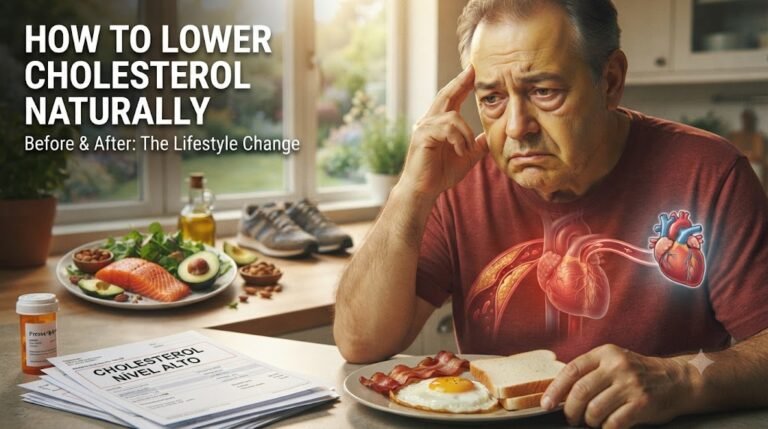
Learning how to lower cholesterol naturally after 50 is one of the smartest steps you can take to protect your heart and support healthy aging. While cholesterol is essential for hormone production, vitamin D synthesis, and healthy cell function, elevated LDL (“bad”) cholesterol can increase the risk of heart attacks, strokes, and other cardiovascular diseases.
The encouraging news is that high cholesterol isn’t an inevitable part of getting older. Scientific research consistently shows that nutrition, physical activity, weight management, sleep, and other lifestyle habits can significantly improve cholesterol levels—even without medication in many cases.
If you’re wondering how to lower cholesterol naturally after 50, the goal isn’t simply reducing one laboratory number. It’s about improving your overall cardiovascular health, reducing inflammation, protecting your arteries, and increasing your chances of living a longer, healthier life.
In this evidence-based guide, you’ll discover the most effective lifestyle strategies for how to lower cholesterol naturally after 50, understand which foods truly help, and learn which habits offer the greatest long-term benefits for your heart.
In this article
ToggleCholesterol is a waxy substance produced naturally by the liver and obtained through certain foods.
Your body needs cholesterol to:
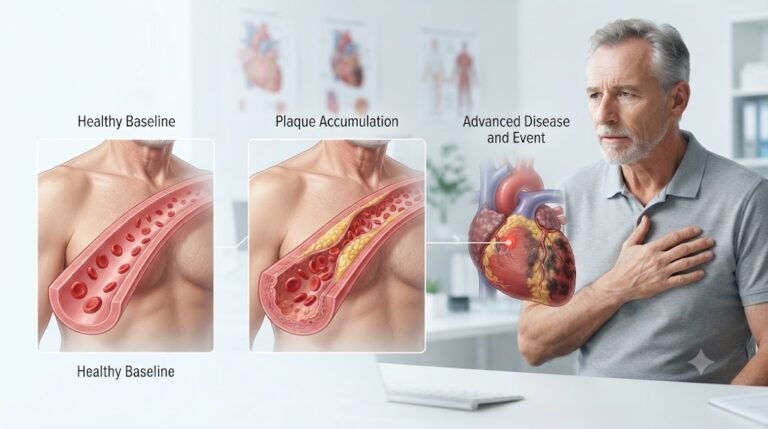
Problems occur when LDL cholesterol becomes elevated and gradually accumulates inside artery walls.
Over time, these deposits may form plaques that narrow blood vessels and increase the risk of:
Understanding how to lower cholesterol naturally after 50 begins with recognizing that cholesterol itself isn’t the enemy—maintaining a healthy balance is.
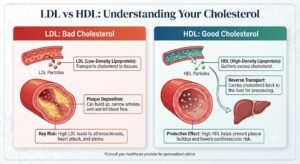
Your cholesterol test typically measures several important markers.
Often called “bad cholesterol.”
High LDL levels contribute to plaque formation inside arteries.
Reducing LDL is usually the primary goal when discussing how to lower cholesterol naturally after 50.
Known as “good cholesterol.”
HDL helps transport excess cholesterol back to the liver, where it can be removed from the body.
Higher HDL levels are generally associated with lower cardiovascular risk.
Triglycerides are another type of blood fat.
Elevated triglycerides frequently accompany:
Improving overall metabolic health often improves both cholesterol and triglyceride levels simultaneously.
Several age-related factors influence cholesterol levels.
These include:
Women often experience noticeable increases in LDL cholesterol after menopause due to declining estrogen levels.
Men also experience gradual metabolic changes that affect lipid metabolism throughout midlife.
Fortunately, these changes respond remarkably well to healthy lifestyle interventions.
Learning how to lower cholesterol naturally after 50 focuses on addressing these underlying causes rather than simply treating cholesterol numbers.
Healthy cholesterol supports far more than heart health.
Maintaining optimal cholesterol levels contributes to:
Cardiovascular disease remains the leading cause of death worldwide.
Fortunately, many of its major risk factors—including cholesterol—are modifiable.
If you’d like to understand how cardiovascular health influences overall aging, read How to Reduce Your Biological Age Naturally.
Among all dietary patterns, the Mediterranean diet has perhaps the strongest scientific evidence for improving cholesterol levels.
Its emphasis on:
helps lower LDL while supporting HDL and reducing chronic inflammation.
One of the first recommendations for how to lower cholesterol naturally after 50 is replacing highly processed foods with minimally processed whole foods.
Learn more in Mediterranean Diet for Healthy Aging.
Soluble fiber binds cholesterol in the digestive tract, helping remove it from the body.
Excellent sources include:
Increasing fiber intake is one of the easiest and most effective strategies for how to lower cholesterol naturally after 50 without drastic dietary changes.
Not all fats affect cholesterol equally.
Instead of eliminating fat altogether, focus on replacing saturated fats with healthier unsaturated fats.
Choose more:
Limit excessive consumption of:
Making healthier fat choices is a cornerstone of how to lower cholesterol naturally after 50 while also reducing inflammation and supporting brain health.
Regular exercise improves cholesterol in several ways.
It can:
Aim for at least:
Exercise remains one of the most powerful tools for how to lower cholesterol naturally after 50 because it addresses multiple cardiovascular risk factors simultaneously.
Learn more in:
Excess body fat—particularly around the abdomen—is strongly associated with higher LDL cholesterol, elevated triglycerides, and lower HDL cholesterol.
Fortunately, even modest weight loss can improve your cholesterol profile.
Research suggests that losing just 5–10% of body weight may significantly reduce cardiovascular risk.
Rather than focusing on restrictive diets, prioritize sustainable eating habits and regular movement. This long-term approach is one of the most effective ways of how to lower cholesterol naturally after 50.
Healthy body composition also improves blood sugar regulation. Learn more in How to Improve Insulin Sensitivity After 50 Naturally.
Fatty fish are rich in omega-3 fatty acids, which support cardiovascular health by:
Excellent choices include:
Although omega-3s don’t dramatically lower LDL cholesterol, they significantly improve overall cardiovascular health and complement other strategies for how to lower cholesterol naturally after 50.
Learn more in Omega-3 for Healthy Aging.
Many people associate cholesterol management only with aerobic exercise.
However, resistance training also plays an important role.
Strength training helps:
Building muscle becomes increasingly important after age 50 because it supports both cardiovascular and metabolic health.
Adding resistance exercise to your weekly routine strengthens every strategy related to how to lower cholesterol naturally after 50.
Learn more in Strength Training After 50.
Poor sleep has been linked to unhealthy cholesterol levels, increased inflammation, insulin resistance, and higher cardiovascular risk.
Adults who consistently sleep fewer than seven hours may experience:
Making quality sleep a priority supports nearly every aspect of heart health.
Improving sleep is one of the most overlooked strategies for how to lower cholesterol naturally after 50.
Our guide to Sleep and Healthy Aging explains practical ways to improve sleep quality naturally.
Stress affects more than your emotional well-being.
Chronically elevated cortisol levels may contribute to:
Healthy stress-management strategies include:
Managing stress consistently strengthens the effectiveness of how to lower cholesterol naturally after 50 because cardiovascular health depends on both physical and emotional well-being.
Smoking damages blood vessels, lowers HDL cholesterol, and accelerates plaque formation inside arteries.
Quitting smoking rapidly reduces cardiovascular risk—even later in life.
Alcohol should also be consumed in moderation.
Excessive alcohol intake may increase:
Avoiding tobacco while limiting alcohol represents one of the healthiest long-term strategies for how to lower cholesterol naturally after 50.
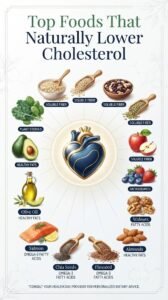
Some foods consistently demonstrate cholesterol-lowering benefits.
These include:
These foods provide soluble fiber, healthy fats, antioxidants, and plant compounds that support cardiovascular health.
Including them regularly is one of the easiest ways of how to lower cholesterol naturally after 50 while improving overall nutrition.
Although no food needs to be permanently forbidden, reducing certain foods can improve cholesterol levels over time.
Limit:
Replacing these foods with minimally processed alternatives supports healthier arteries and better long-term heart health.
For some individuals, yes.
For others, lifestyle changes complement medication rather than replace it.
The answer depends on:
Never stop prescribed medication without consulting your healthcare provider.
Even when medication is necessary, healthy lifestyle habits remain essential because they improve many cardiovascular risk factors beyond cholesterol alone.
Learning how to lower cholesterol naturally after 50 should always be viewed as part of a comprehensive heart-health strategy rather than a substitute for professional medical care.
The fastest improvements usually come from combining several healthy habits at the same time. Following a Mediterranean-style diet, increasing soluble fiber, exercising regularly, losing excess abdominal fat, and avoiding smoking can begin improving cholesterol levels within a few weeks. Learning how to lower cholesterol naturally after 50 is about combining these evidence-based habits consistently rather than relying on a single solution.
Some of the best cholesterol-lowering foods include:
These foods provide soluble fiber, healthy fats, and antioxidants that support healthier cholesterol levels.
Yes.
Regular walking helps improve cardiovascular fitness, supports weight management, increases insulin sensitivity, and may contribute to lower LDL cholesterol while improving overall heart health.
Walking works even better when combined with strength training and a heart-healthy diet.
Learn more in Walking and Longevity.
For many adults, lifestyle changes alone can produce meaningful improvements, particularly when cholesterol elevations are mild to moderate.
However, some individuals—especially those with familial hypercholesterolemia or established cardiovascular disease—may still require medication.
Regardless of medication use, adopting how to lower cholesterol naturally after 50 remains one of the most effective ways to reduce long-term cardiovascular risk.
Many people begin seeing measurable improvements within 6–12 weeks after consistently adopting healthier eating habits, increasing physical activity, and losing excess weight.
Long-term success depends on maintaining these healthy behaviors rather than following temporary diets.
Learning how to lower cholesterol naturally after 50 is about much more than improving a laboratory result—it’s about protecting your heart, preserving healthy arteries, and reducing the risk of heart attack and stroke as you age.
Although cholesterol naturally changes over time, these changes are not beyond your control. Research consistently demonstrates that healthy nutrition, regular exercise, maintaining muscle mass, achieving a healthy weight, quality sleep, and stress management work together to improve cholesterol levels and overall cardiovascular health.
The most effective approach isn’t built around restrictive diets or miracle supplements. Instead, it’s based on sustainable daily habits that you can maintain for years. Every healthy meal, every walk, every strength-training session, and every good night’s sleep contributes to healthier blood vessels and a stronger cardiovascular system.
Ultimately, how to lower cholesterol naturally after 50 means making consistent choices that support your entire body—not just your cholesterol numbers. These same habits improve blood pressure, insulin sensitivity, brain health, energy levels, and longevity, allowing you to enjoy more healthy years with greater vitality and independence.
• American Heart Association. Understanding Cholesterol Levels and Cardiovascular Risk.
Read the guideline → https://www.heart.org/en/health-topics/cholesterol
• National Heart, Lung, and Blood Institute. High Blood Cholesterol.
Read the guide → https://www.nhlbi.nih.gov/health/high-blood-cholesterol
• Grundy SM, et al. 2018 AHA/ACC Guideline on the Management of Blood Cholesterol. Journal of the American College of Cardiology.
Read the guideline → https://pubmed.ncbi.nlm.nih.gov/30423393/
• Estruch R, et al. Primary Prevention of Cardiovascular Disease with a Mediterranean Diet (PREDIMED Trial). New England Journal of Medicine.
Read the study → https://pubmed.ncbi.nlm.nih.gov/23432189/
• Jenkins DJA, et al. Effects of a Dietary Portfolio of Cholesterol-Lowering Foods vs Statins on LDL Cholesterol. JAMA.
Read the study → https://pubmed.ncbi.nlm.nih.gov/15644546/
• World Health Organization. Cardiovascular Diseases.
Read the resource → https://www.who.int/news-room/fact-sheets/detail/cardiovascular-diseases-(cvds)
The information provided in this article is for educational purposes only and should not be considered medical advice. Always consult a qualified healthcare professional before making changes to your diet, exercise routine, medications, or supplement use. Never disregard professional medical advice or delay seeking it because of something you have read on this website.

The Live Ever Better Editorial Team is dedicated to publishing evidence-based content that helps adults over 50 achieve healthier aging and greater longevity. Every article is carefully researched using scientific studies, clinical guidelines, and trusted health organizations to ensure accurate, practical, and reliable health information.