4. Strength Train at Least Twice Per Week
Strength training is one of the most effective interventions for maintaining a healthy metabolism after age 50.
Unlike cardio alone, resistance exercise helps:
- preserve lean muscle mass
- improve insulin sensitivity
- increase strength
- support healthy bones
- improve body composition
Aim for at least two full-body strength-training sessions each week, progressively increasing resistance as your fitness improves.
Even beginners can experience significant metabolic benefits.
Continue reading:
5. Sleep 7–9 Hours Every Night
Sleep plays a surprisingly important role in metabolic health.
Poor sleep can affect hormones involved in appetite regulation, including:
- ghrelin (increases hunger)
- leptin (signals fullness)
Chronic sleep deprivation is also associated with:
- insulin resistance
- weight gain
- increased cravings
- reduced energy expenditure
Improving sleep is one of the simplest yet most overlooked ways to support how to boost metabolism after 50.
Learn more in:
6. Manage Chronic Stress
Long-term stress elevates cortisol levels.
Persistently high cortisol may contribute to:
- abdominal fat accumulation
- increased appetite
- emotional eating
- disrupted sleep
- impaired insulin sensitivity
Healthy stress-management techniques include:
- meditation
- breathing exercises
- walking outdoors
- yoga
- social connection
- enjoyable hobbies
Stress reduction won’t dramatically increase calorie burning, but it helps remove barriers that interfere with healthy metabolism.
7. Improve Insulin Sensitivity
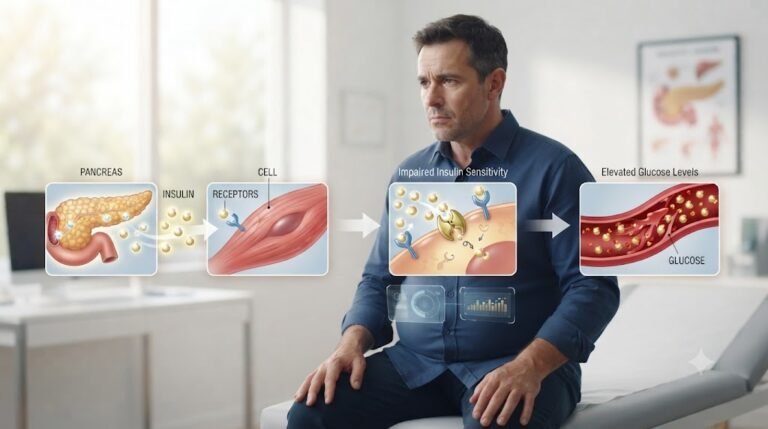
Insulin helps move glucose from the bloodstream into cells.
When cells become resistant to insulin, metabolism becomes less efficient, making weight management more difficult.
Fortunately, insulin sensitivity improves with:
- regular exercise
- muscle building
- weight loss when appropriate
- fiber-rich nutrition
- quality sleep
Improving insulin sensitivity is a cornerstone of how to boost metabolism after 50.
Continue reading:
8. Drink Enough Water
Even mild dehydration can temporarily reduce physical performance and may slightly affect metabolic efficiency.
Adequate hydration supports:
- digestion
- circulation
- exercise performance
- temperature regulation
Although drinking water alone will not dramatically increase metabolism, staying well hydrated supports nearly every metabolic process in the body.
9. Avoid Crash Diets
Very restrictive diets often lead to:
- muscle loss
- lower resting metabolic rate
- increased hunger
- reduced energy levels
Repeated cycles of severe calorie restriction can make long-term weight maintenance more difficult.
Instead of aggressive dieting, focus on sustainable habits that preserve muscle while gradually improving body composition.
10. Eat More Fiber
Fiber-rich foods improve satiety and support healthy blood sugar regulation.
Excellent sources include:
- vegetables
- legumes
- oats
- berries
- apples
- chia seeds
- flaxseed
Fiber also nourishes beneficial gut bacteria, linking metabolic health with the gut microbiome.
Learn more in:
11. Move More Throughout the Day
Many people exercise for one hour but remain sedentary for the remaining fifteen waking hours.
Increasing everyday movement can substantially improve energy expenditure.
Simple ideas include:
- standing during phone calls
- walking while listening to podcasts
- parking farther away
- taking short movement breaks every hour
- using stairs whenever possible
These habits help increase daily calorie expenditure without requiring formal workouts.
12. Support Healthy Hormonal Balance
Hormonal changes affect metabolism in both men and women.
Examples include:
- declining estrogen during menopause
- gradual testosterone decline in men
- thyroid disorders
- elevated cortisol
- insulin resistance
Supporting hormonal health through nutrition, exercise, sleep, and medical evaluation when necessary contributes to long-term metabolic wellness.
Foods That Naturally Support Metabolism
No single food “boosts” metabolism dramatically.
However, diets emphasizing whole foods consistently support healthier metabolic function.
Prioritize:
- lean protein
- fatty fish
- eggs
- Greek yogurt
- legumes
- vegetables
- berries
- oats
- nuts
- olive oil
- beans
- whole grains
These foods also support cardiovascular health, muscle preservation, and healthy aging.
Continue reading:
Metabolism Myths
Many myths surround metabolism.
Myth 1: Certain foods dramatically speed up metabolism
Reality:
No food significantly increases metabolism on its own.
Healthy dietary patterns matter far more than individual ingredients.
Myth 2: Eating every two hours boosts metabolism
Research shows meal frequency has little effect on total daily energy expenditure.
Total calorie intake and dietary quality are much more important.
Myth 3: Supplements are the answer
Most “metabolism boosters” lack strong scientific evidence.
Healthy habits consistently outperform commercial fat-burning supplements.
Myth 4: Age alone ruins metabolism
Although aging contributes to metabolic changes, much of the decline is related to:
- muscle loss
- inactivity
- poor sleep
- excess body fat
These factors are often modifiable.
Frequently Asked Questions
Can you really boost metabolism after 50?
Yes—but probably not in the way many advertisements promise.
The most effective ways to boost metabolism after 50 involve preserving muscle mass, staying physically active, eating enough protein, improving sleep, and maintaining healthy body composition.
There is no pill or single food that dramatically increases metabolism.
What slows metabolism the most after age 50?
Several factors contribute, including:
- loss of muscle mass
- reduced daily movement
- hormonal changes
- poor sleep
- insulin resistance
- long periods of inactivity
In many cases, these lifestyle-related factors have a greater impact than aging itself.
Does strength training increase metabolism?
Yes.
Strength training helps preserve and build lean muscle, which supports resting energy expenditure and improves metabolic health.
It also improves insulin sensitivity and helps prevent age-related muscle loss.
Can certain foods speed up metabolism?
No food dramatically increases metabolism.
However, protein-rich foods have a higher thermic effect than carbohydrates or fat, meaning your body uses more energy to digest them.
A balanced dietary pattern is far more important than relying on so-called “metabolism-boosting” foods.
Does drinking more water boost metabolism?
Adequate hydration supports normal metabolic processes and overall health.
While drinking water may produce a small temporary increase in energy expenditure, its primary benefit is supporting exercise performance, digestion, circulation, and cellular function.
Are metabolism supplements effective?
Most over-the-counter metabolism supplements have limited scientific evidence.
Many products rely on stimulants that produce only temporary effects and do not address the underlying causes of metabolic decline.
Healthy lifestyle habits remain the safest and most effective long-term strategy.
Final Thoughts
Many people assume that a slower metabolism is an unavoidable part of getting older.
While metabolism does change with age, research shows that much of the decline is driven by factors you can influence—especially muscle loss, physical inactivity, poor sleep, and changes in body composition.
Learning how to boost metabolism after 50 is not about finding a miracle supplement or following restrictive diets. Instead, it involves building habits that improve the way your body uses energy every day.
Strength training, regular movement, adequate protein intake, restorative sleep, healthy nutrition, and good metabolic health work together to preserve muscle, improve insulin sensitivity, and support a healthier metabolism.
These same habits also reduce the risk of many age-related conditions, including cardiovascular disease, type 2 diabetes, frailty, and loss of independence.
If your goal is not only to maintain a healthy weight but also to increase your healthspan, understanding how to boost metabolism after 50 is one of the smartest long-term investments you can make.
Remember: a healthy metabolism isn’t built through shortcuts.
It’s built through consistent choices repeated over months and years—and those choices help you enjoy a stronger, healthier, and more active life.
References
Medical Disclaimer
The information provided in this article is for educational purposes only and should not be considered medical advice. Always consult a qualified healthcare professional before making significant changes to your diet, exercise routine, or weight-management plan. If you experience unexplained weight changes, persistent fatigue, or symptoms suggestive of thyroid or metabolic disorders, seek medical evaluation.